

BDC Report Finds that Gas Utility Bills Rose 60% Faster than Electric Bills and Four Times Faster than Inflation in 2025
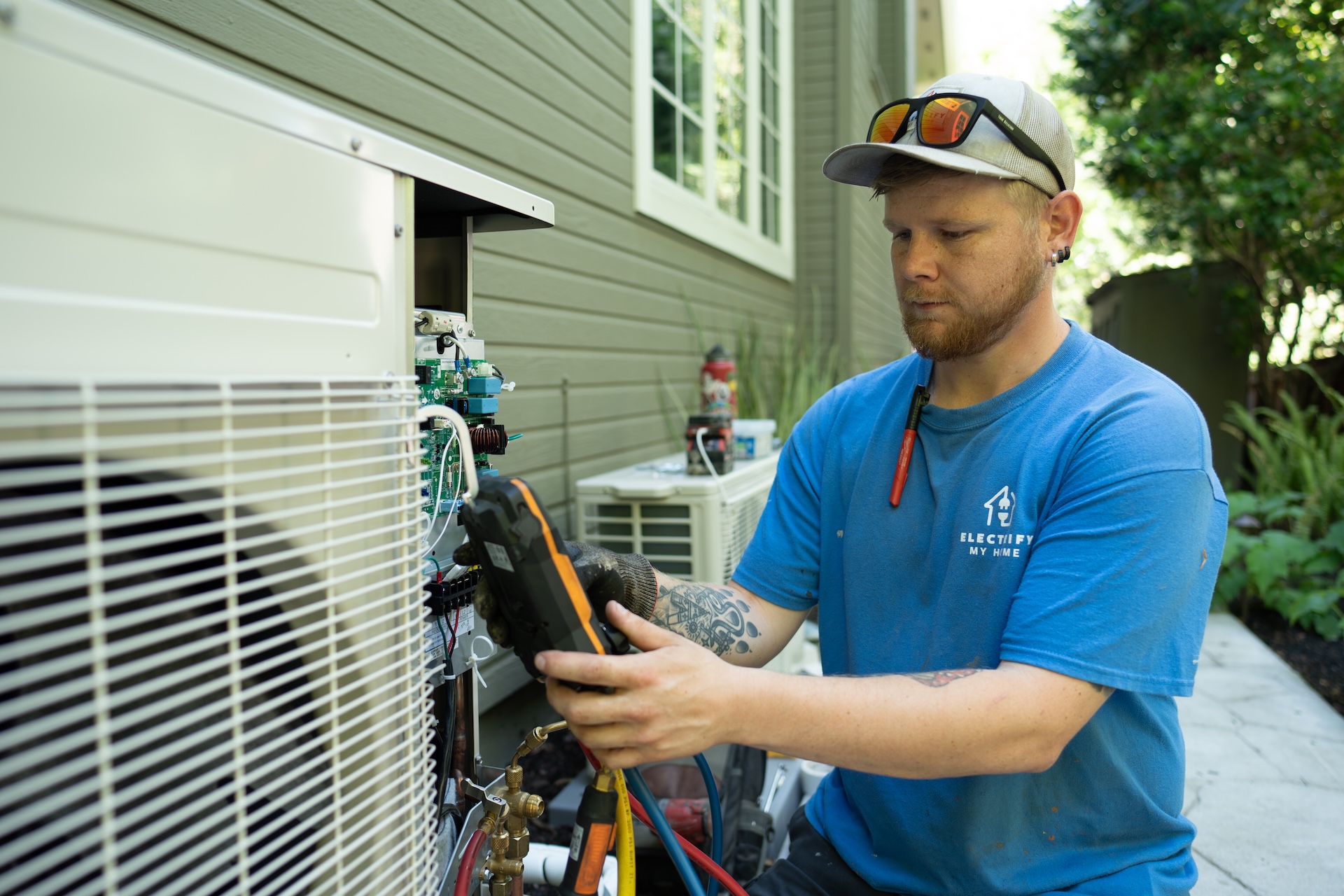
Contractor installing a heat pump
Momentum Q1 | 2026 report highlights how rising gas costs, new heat pump policies, and HVAC market changes are transforming the way households heat their homes
SACRAMENTO, CA, UNITED STATES, April 7, 2026 /EINPresswire.com/ -- Today, the Building Decarbonization Coalition (BDC) released its Q1 | 2026 Momentum report, which examines the latest state-level policies, regulatory decisions, market dynamics, and other factors shaping and sustaining momentum toward decarbonization.
The report's findings show that methane (natural) gas pipeline replacement and other infrastructure costs are a hidden driver behind America’s energy affordability crisis:
- In 2025, gas bills rose 60% faster than electric bills and four times faster than inflation.
- About two-thirds of a typical household’s gas bill now goes toward pipeline replacements and other distribution infrastructure investments, rather than the gas itself.
- Gas utility spending on distribution infrastructure has more than tripled since 2010, and if utilities had not accelerated this spending, their customers would have saved $130 billion ($1,723 per gas household).
- Each year of accelerated gas utility spending adds at least $40 billion in excess lifetime costs for ratepayers.
“The tens of billions of dollars that utilities spend each year on gas pipeline replacements and other infrastructure investments, not volatile gas prices, are the main reason why gas utility bills rose much faster than inflation in 2025,” said Kristin George Bagdanov, Associate Director of Research at BDC. “Fortunately, there is a way to lower this spending and our energy bills: implement a managed transition from this expensive and aging gas system to a more resilient, affordable, and modern clean heating and cooling system.“
States Advance Building Decarbonization Policies
The report also highlights new efforts by states to accelerate their transition to clean heat and cooling. Examples of such efforts include:
- California advancing a bill that would modernize heat pump permitting, and launching its first IOU-scale tariff-on-bill electrification pilot.
- Massachusetts making rates more affordable and equitable with a seasonal heat pump rate, new energy-burden-based bill protections, and a new proposed geothermal service rate.
- New York authorizing approximately $1 billion per year in funding for 2026–2030 in energy efficiency and clean energy solutions, including building electrification.
- The introduction of a bill in the Minnesota state legislature that would create a clear and transparent regulatory pathway for the state’s utilities to cost-effectively build thermal energy networks (TENs).
“Building decarbonization’s ability to make energy more affordable is one of the main reasons why it continues to gain momentum across the United States,” said Matt Casale, Managing Director of States & Regions, BDC. “State and other efforts to switch buildings from using furnaces fueled by oil, propane, and methane gas to highly efficient heat pumps and thermal energy networks were accelerating even before recent global events caused massive fluctuations in the prices of many fossil fuels. Given these fluctuations, we expect states to introduce more building decarbonization policies as policymakers seek ways to keep families’ energy costs stable.“
Consumers, Contractors, and Utilities Are Embracing Clean Heating and Cooling
The report includes recent data showing that building decarbonization continues to gain momentum among consumers, HVAC and other contractors, and utilities. Examples of these findings include:
- Heat pumps outsold gas furnaces for the fourth year in a row in 2025.
- Heat pumps outsold air conditioners for the first time ever over a one-month period in September 2025.
- An Oklahoma electricity cooperative has avoided rate increases for eight years after incentivizing approximately 1,650 geothermal heat pump installations, which have reduced peak demand, improved load factor, and lowered its wholesale power costs.
The Momentum Q1 | 2026 report is available at https://buildingdecarb.org/momentum-q1-2026.
ABOUT THE BUILDING DECARBONIZATION COALITION
The Building Decarbonization Coalition (BDC) aligns critical stakeholders on a path to transform the nation’s buildings through clean energy, using policy, research, market development, and public engagement. The BDC and its members are charting the course to eliminate fossil fuels in buildings to improve people’s health, cut climate and air pollution, prioritize high-road jobs, and ensure that our communities are more resilient to the impacts of climate change. Learn more at www.buildingdecarb.org.
Jason Brown
Building Decarbonization Coalition
+1 917-548-4451
jbrown@buildingdecarb.org
Visit us on social media:
LinkedIn
Bluesky
Instagram
YouTube
Legal Disclaimer:
EIN Presswire provides this news content "as is" without warranty of any kind. We do not accept any responsibility or liability for the accuracy, content, images, videos, licenses, completeness, legality, or reliability of the information contained in this article. If you have any complaints or copyright issues related to this article, kindly contact the author above.
