

Before the Wind and Rain: Get Your Cape Cod Home Ready
Published on: September 18, 2026
Cape Cod weather can change quickly. A rainy forecast can become a stretch of strong winds, flooded roads and power outages, especially when a storm slows down near the coast.
You do not need to wait for an official warning to get ready. A few small steps now can make the next wet and windy day much easier.
Start With These Five Things
If wind and heavy rain may be coming:
- Charge your phones and portable batteries.
- Bring in or secure outdoor furniture, decorations and trash barrels.
- Check your flashlights and replace weak batteries.
- Make sure you have medications, food, water and pet supplies.
- Know where to find trusted weather and emergency information.
You do not need to buy everything at once. Start with what your household would need most during a power outage or if travel became difficult.
Find local emergency information and preparedness resources at capecod.gov/Prepare.
Prepare for Strong Winds
Cape Cod does not need a hurricane to experience damaging winds. Tree branches, outdoor furniture and other loose objects can become dangerous during a strong coastal storm.
Before the wind picks up:
- Bring lightweight outdoor items inside.
- Secure grills, furniture and trash barrels.
- Move vehicles away from large trees when possible.
- Charge battery-powered tools and equipment.
- Check that your generator is working before you need it.
- Keep generators outdoors and away from doors, windows and vents.
- Never use a grill, generator or other fuel-burning equipment inside a home, garage or enclosed space.
Get Ready for a Power Outage
Think about what your household would need if the power went out tonight.
Check that you have:
- Flashlights and batteries
- Phone chargers and portable power banks
- Drinking water
- Food that does not require cooking
- Necessary medications
- First-aid supplies
- Food, water and medications for pets
- Copies of important contact and insurance information
Flashlights and battery-powered lanterns are safer than candles.
During an outage, keep refrigerator and freezer doors closed. An unopened refrigerator will generally keep food cold for about four hours. A full freezer can hold its temperature for about 48 hours, or about 24 hours if it is half full.
Learn more about keeping food and drinking water safe during a power outage.
Watch for Flooding
Flooding is not only a coastal problem. Heavy rain can overwhelm storm drains, flood low-lying roads and cause water to collect in places that do not normally flood.
Before heavy rain:
- Clear leaves and debris from drains where it is safe to do so.
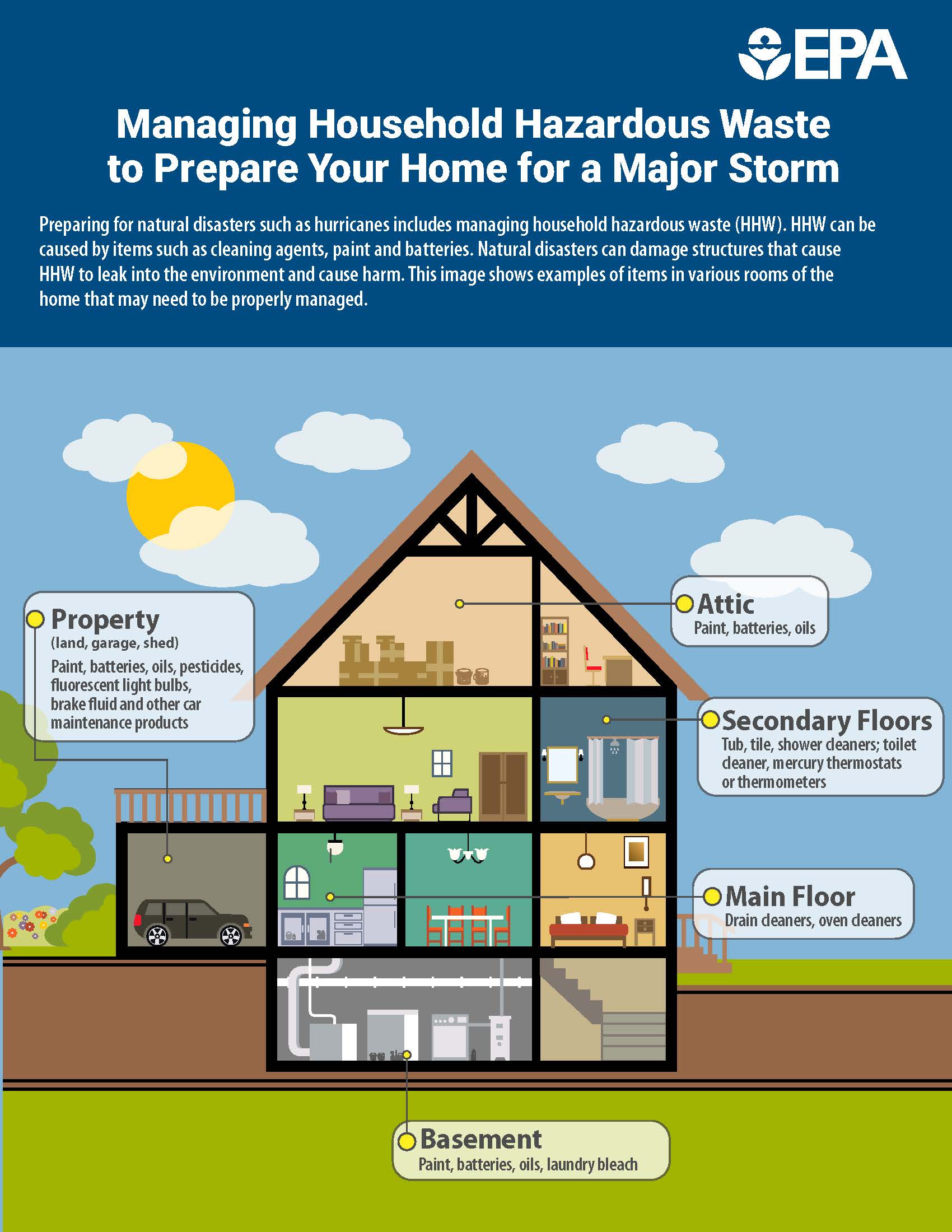
- Move valuable items and household chemicals above expected flood levels.
- Check whether your home or travel route is in a flood-prone area.
- Plan another route if you regularly travel on low-lying roads.
- Move vehicles to higher ground if flooding is possible.
Know Your Flood Risk
You do not have to live directly on the coast to experience flooding. Heavy rain, poor drainage and rising groundwater can affect properties outside areas commonly associated with coastal flooding.
Enter your address in the FEMA Flood Map Service Center to view your area’s flood map. A flood zone shows estimated risk, but flooding can also happen outside mapped high-risk areas.
The Massachusetts Homeowner’s Handbook to Prepare for Coastal Hazards explains local coastal risks and includes practical steps Cape Cod homeowners can take before, during and after a storm.
Check Your Flood Insurance
Most standard homeowners and renters insurance policies do not cover damage caused by flooding.
Talk with your insurance agent about:
- Whether your current policy includes flood coverage
- Your property’s flood risk
- What a flood insurance policy would and would not cover
- Coverage for your home, belongings or both
- The cost and waiting period for a new policy
Most National Flood Insurance Program policies have a 30-day waiting period before coverage begins, although some exceptions apply. Do not wait until a storm is approaching to ask about coverage.
Learn more at FloodSmart.gov.
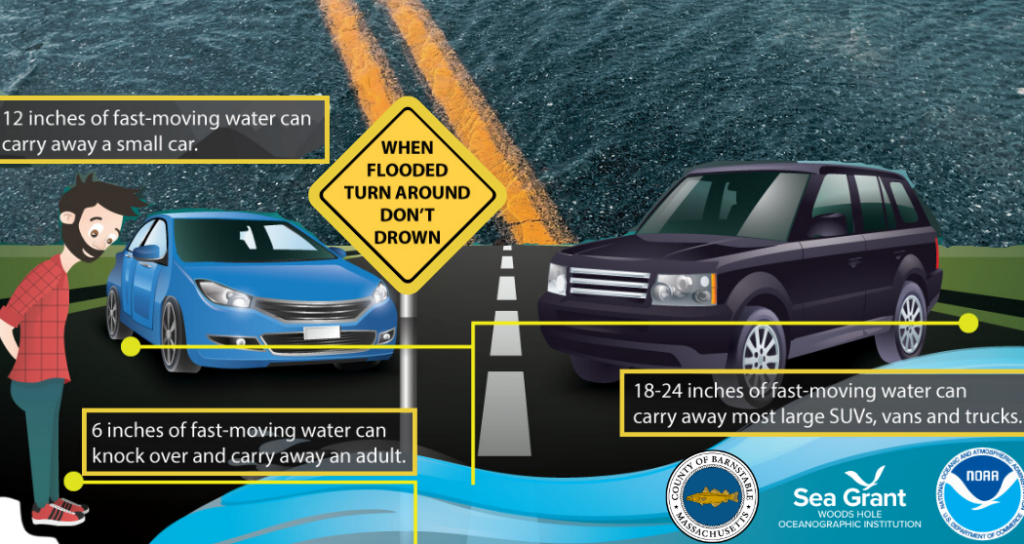
Never Drive Through Floodwater
A familiar road can become dangerous very quickly when it is covered by water. You may not be able to see how deep the water is or whether the road underneath has washed away.
- Six inches of moving water can knock over an adult.
- Twelve inches of moving water can carry away a small car.
- Larger vehicles can also be swept away.
If a road is flooded, turn around and choose another route. Never walk, drive or bike through floodwater.
Don’t drive in flooded areas — turn around, don’t drown!
Protect Household Chemicals
Oil-based paint, fuel, pesticides, cleaners and other household hazardous waste can leak during a flood. This can put residents, first responders and Cape Cod’s water supply at risk.
Store household chemicals:
- In their original, labeled containers
- Away from children and pets
- Above expected flood levels, but not above eye level
- Away from heat, flames and anything that could cause a reaction
Do not mix chemicals or place leaking containers in the regular trash.
For disposal information and local collection schedules, visit LoveYourLocalWater.org or call Barnstable County’s hazardous materials specialist at 508-375-6699.
Pro Tip: Take inventory!
Check your home for hazardous products and note where they’re stored. This storage map can help you stay organized and prepared.
Make a Plan for Your Household
Every household is different. Your plan may need to include children, older adults, medical equipment, accessibility needs, pets or livestock.
Talk with the people in your household about:
- How you will receive emergency alerts
- Who you will contact if you become separated
- Where you will go if you need to leave home
- How you will help anyone who needs assistance
- What supplies you already have
- What supplies are still missing
Preparedness does not have to mean filling a shopping cart. Start with what you have and add what your household needs over time.
Follow Trusted Sources
Storm forecasts can change as new information becomes available.
For local alerts, forecasts, emergency contacts and preparedness information, visit capecod.gov/Prepare.
Preparing does not have to mean expecting the worst. Sometimes it is as simple as charging your phone, moving the deck chairs and finding the flashlight before the lights go out.
Cape Cod Cooperative Extension: Working for You
Follow Cape Cod Cooperative Extension on Facebook and Instagram for resources, updates, and events.
Learn more about all our programs at capecod.gov/extension..
Legal Disclaimer:
EIN Presswire provides this news content "as is" without warranty of any kind. We do not accept any responsibility or liability for the accuracy, content, images, videos, licenses, completeness, legality, or reliability of the information contained in this article. If you have any complaints or copyright issues related to this article, kindly contact the author above.
